What to Expect During Professional Wildlife Removal Service
People seeking wildlife removal typically want pests safely and humanely removed from their property, and local service providers can handle the job efficiently and professionally.
If you’re wondering what to expect during professional wildlife removal service, you’re in the right place. Property owners in the area often seek these services to address unexpected visits from animals such as raccoons, squirrels, bats, or other wildlife that may find their way into homes or businesses. Understanding the typical process can help prepare you for what’s involved and reassure you that experienced local contractors handle these situations with care and efficiency. These professionals typically start with an assessment to identify how animals are gaining access and what damage might need attention, giving you a clearer picture of the scope of work involved.
As the process unfolds, wildlife removal experts focus on humane and effective solutions to safely remove animals and prevent future issues. They often use targeted techniques to encourage animals to leave and then seal entry points to keep them out. Property owners can expect a thorough approach that balances removal with ongoing prevention measures. Knowing what to expect during professional wildlife removal service can make the experience less stressful and more manageable, especially when working with trusted local service providers who understand the specific needs of the community. Keep reading to learn more about how these services can help protect your property and restore peace of mind.
- Wildlife exclusion - when animals have entered a property and need to be safely removed and prevented from re-entering, local contractors typically assess entry points and implement humane exclusion methods.
- Animal trapping - in cases where wildlife has become a nuisance, service providers may use traps to capture animals humanely before relocation or removal.
- Habitat modification - if wildlife is attracted to a property due to appealing habitat features, local pros often recommend changes to reduce attractants and discourage future visits.
- Damage repair - when wildlife causes structural damage, professionals can evaluate the extent and perform necessary repairs to restore the property.
- Preventative sealing - to ensure wildlife does not return, service providers often seal entry points and vulnerable areas during the removal process.
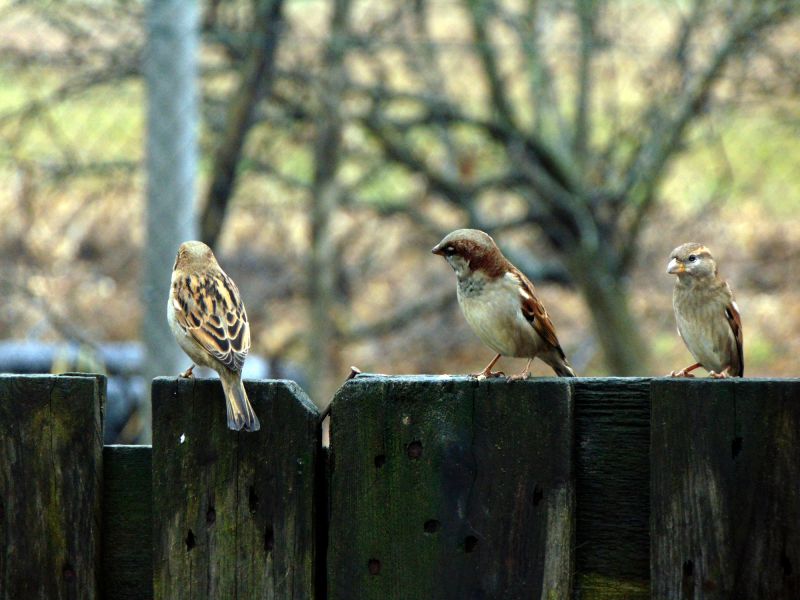
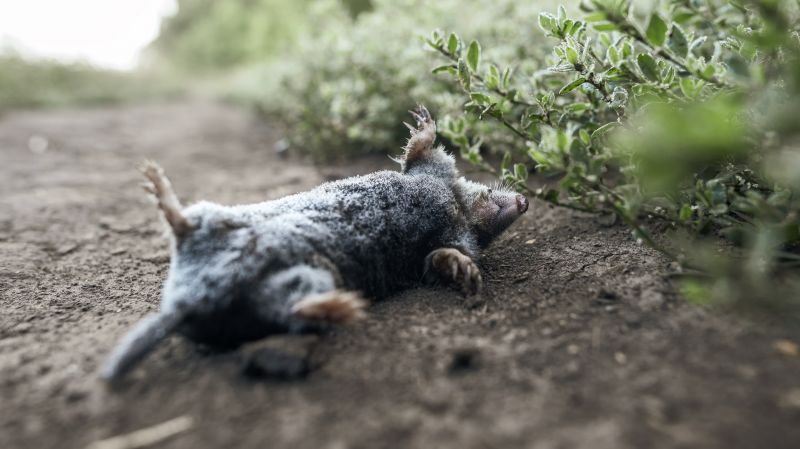
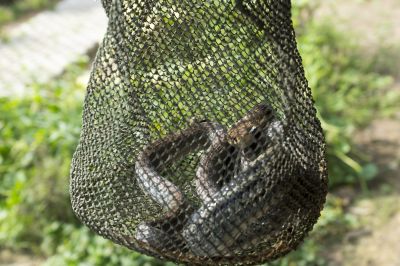
When searching for information on what to expect during professional wildlife removal service, homeowners often want to understand the general process involved in safely and effectively removing animals from their properties. Typically, these searches are driven by concerns about animals such as raccoons, squirrels, bats, or birds that have taken up residence in or around a home. People may be dealing with animals nesting in attics, crawl spaces, chimneys, or walls, or they might have noticed signs of an infestation like droppings, noises, or damage. The goal of professional wildlife removal is to resolve these issues humanely and prevent future problems, which is why understanding what happens during the service helps homeowners feel more informed and prepared.
Wildlife removal services are often sought in situations where animals have entered residential or commercial properties, causing damage or posing health concerns. These problems can range from animals damaging insulation or wiring to creating unsanitary conditions with droppings and urine. Many plans involve identifying entry points, trapping or excluding animals, and securing the property to prevent re-entry. Homeowners may also plan to address structural vulnerabilities that allowed animals to access the property initially. Local service providers are experienced in handling a wide variety of wildlife-related problems, ensuring that the removal process is tailored to the specific situation and property type.
Properties that typically come up during wildlife removal services include single-family homes, multi-unit residential buildings, and sometimes commercial properties. Homes with attics, basements, or crawl spaces are common targets because these areas provide ideal shelter for many animals. Other structures like barns, sheds, or garages can also be involved if animals have nested or sought refuge there. The size and construction of the property influence the approach taken by local contractors, who assess the layout and entry points to develop an effective removal plan. Understanding the type of property helps homeowners anticipate the scope of work and the methods used by local pros to restore safety and peace of mind.
During professional wildlife removal service, homeowners can expect a thorough inspection of the property to locate animal entry points and nesting sites. The process often involves humane trapping or exclusion techniques designed to safely remove animals without causing harm. Once the animals are removed, local contractors typically focus on sealing entry points and making structural repairs to prevent future access. The entire process is usually carried out with minimal disruption, and homeowners are kept informed about each stage. Knowing what to expect during this service helps residents understand how local wildlife removal pros address their specific concerns, ensuring the property is returned to a safe and animal-free condition.
Attic pest exclusion - professionals often handle projects involving sealing attic entry points to prevent wildlife from re-entering, which is closely related to wildlife removal efforts.
Bat removal services - specialized in safely removing bats from structures, these projects require similar planning and access techniques used during wildlife removal.
Rodent proofing - involves identifying and sealing entry points for rodents, sharing skills in inspection and exclusion with wildlife removal specialists.
Bird control solutions - addressing nesting sites and installing deterrents, these projects align with the planning and safety considerations of wildlife removal.
Animal trapping and relocation - focuses on humane trapping methods and safe relocation, which are core components of wildlife removal services.
Structural damage repairs - fixing damage caused by wildlife, such as chewed wiring or insulation, often goes hand-in-hand with removal and prevention efforts.
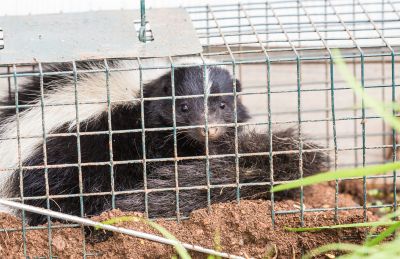
When evaluating wildlife removal services, it is important for homeowners to consider the experience of local contractors with similar projects. An experienced service provider will have a history of handling wildlife issues comparable to the situation at hand, which can offer reassurance about their familiarity with common challenges and effective solutions. Homeowners should inquire about how long a contractor has been working in wildlife removal and whether they have successfully managed cases involving the specific types of animals involved. This background can help determine if the service provider is well-versed in the nuances of wildlife behavior and removal techniques relevant to the local area.
Clear written expectations are crucial when comparing wildlife removal services, as they help ensure there is a mutual understanding of the scope of work and the process involved. Homeowners should look for service providers who can outline what the removal process entails, including any necessary follow-up or repairs, in a detailed and straightforward manner. Having these expectations documented can help prevent misunderstandings and ensure that both parties are aligned on what will be done and what results to anticipate. Transparency in communication about procedures and responsibilities is a key factor in choosing a reliable wildlife removal contractor.
Reputable references and effective communication are essential components when selecting local service providers for wildlife removal. Homeowners are encouraged to seek out contractors who can provide references from previous clients or share examples of past projects, demonstrating their track record of successful wildlife management. Additionally, good communication skills-such as responsiveness, clarity, and willingness to answer questions-are indicators of a professional approach. These qualities help foster trust and confidence that the service provider will be attentive to the homeowner’s concerns throughout the process, making the experience smoother and more predictable.
Property owners often search for what to expect during professional wildlife removal service when they are planning practical projects around their homes and businesses. Local pros provide Wildlife Removal services for everyday jobs and straightforward project options.
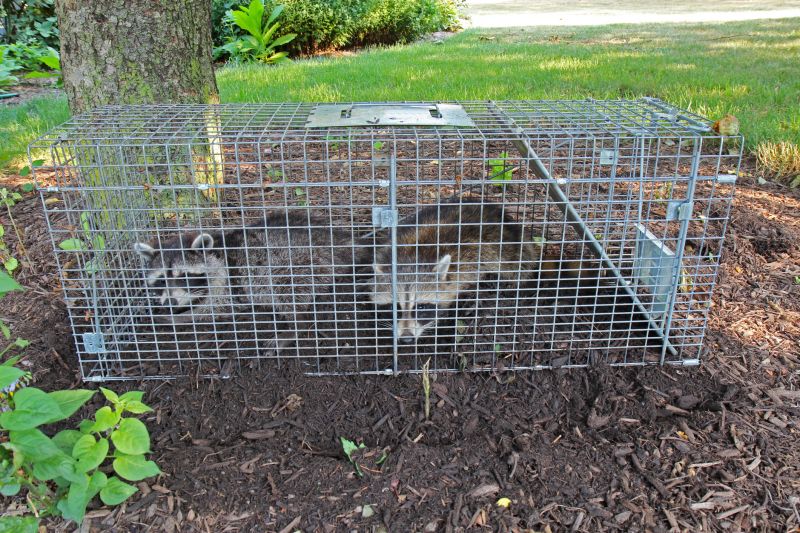
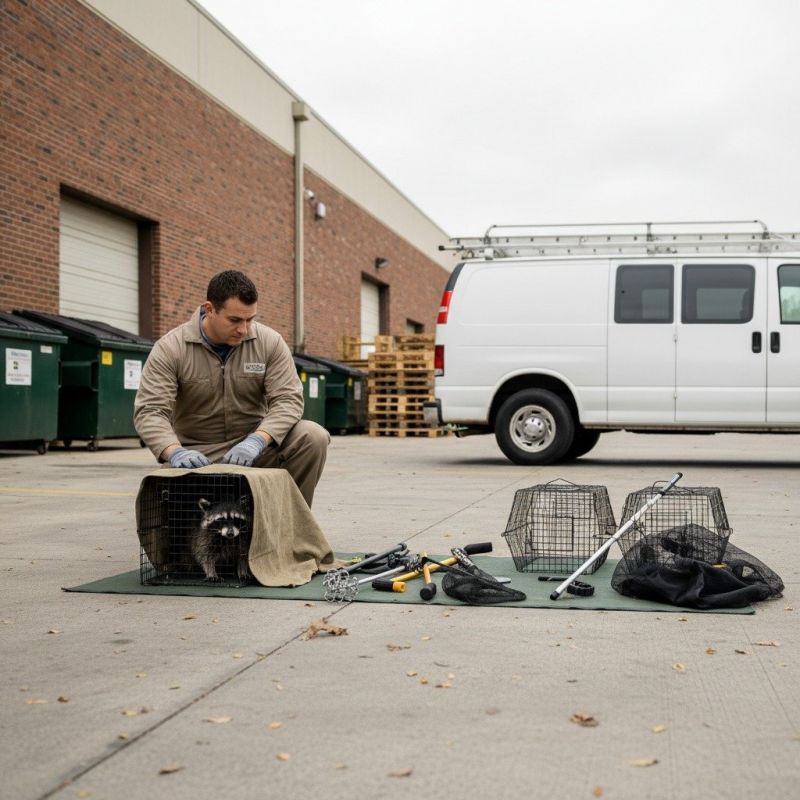
During professional wildlife removal service, property owners can typically expect a thorough assessment of the affected areas. Local contractors will inspect the property to identify the species involved, entry points, and the extent of the infestation. This initial step helps determine the most appropriate removal methods and ensures that all signs of wildlife presence are addressed. Homeowners or business owners may notice that the process involves a combination of trapping, sealing entry points, and sometimes habitat modification to prevent future visits.
Throughout the service, property owners might observe that wildlife removal professionals prioritize humane and effective techniques to resolve the situation. The process often includes setting traps in strategic locations and monitoring them to ensure animals are safely captured. Once the wildlife has been removed, local contractors typically perform repairs or sealing to block access points, reducing the chance of re-entry. Property owners should expect clear communication about what steps are being taken and how the property is being restored to help prevent similar issues in the future.
What happens during professional wildlife removal service? During the service, local contractors typically inspect the property to identify the type of wildlife and entry points, then implement humane removal methods to safely eliminate animals from the premises.
Will the wildlife removal process cause damage to my property? Reputable service providers aim to minimize any property disturbance by using targeted techniques, focusing on animal removal and exclusion rather than invasive procedures.
What should I expect after wildlife removal is completed? After the animals are removed, local pros often seal entry points and advise on steps to prevent future intrusions, helping to ensure the animals do not return.
Are there any odors or messes during the wildlife removal service? Professional wildlife removal services typically include cleanup of droppings, nesting materials, and other debris, reducing odors and messes associated with wildlife presence.
How do wildlife removal service providers ensure humane treatment of animals? Local contractors usually use humane removal methods that prioritize animal safety and compliance with best practices, ensuring animals are handled ethically during the process.
Initial inspection process - Local contractors will evaluate the property to identify wildlife entry points and nesting areas, helping property owners understand the scope of the job.
Wildlife removal techniques - Professionals use humane methods and specialized equipment to safely remove animals without causing harm or damage to the property.
Exclusion and sealing steps - Service providers will secure entry points and seal gaps to prevent future wildlife intrusions, allowing property owners to protect their space long-term.
Cleanup and restoration - After removal, experts typically clean the affected areas and restore any damage, helping property owners return their space to normal.
If you are thinking about what to expect during professional wildlife removal service for a property, this guide is meant to help you understand this topic, the typical project types, and how different options might fit your plans.
When you are ready, you can use the quote form on this page to share a few details about your project. From there, local pros can review the basics and follow up with options that match what you have in mind.